- Plumbing & Drain
- Home Repairs
- Routine Maintenance
Water Heater Repair & Replacement
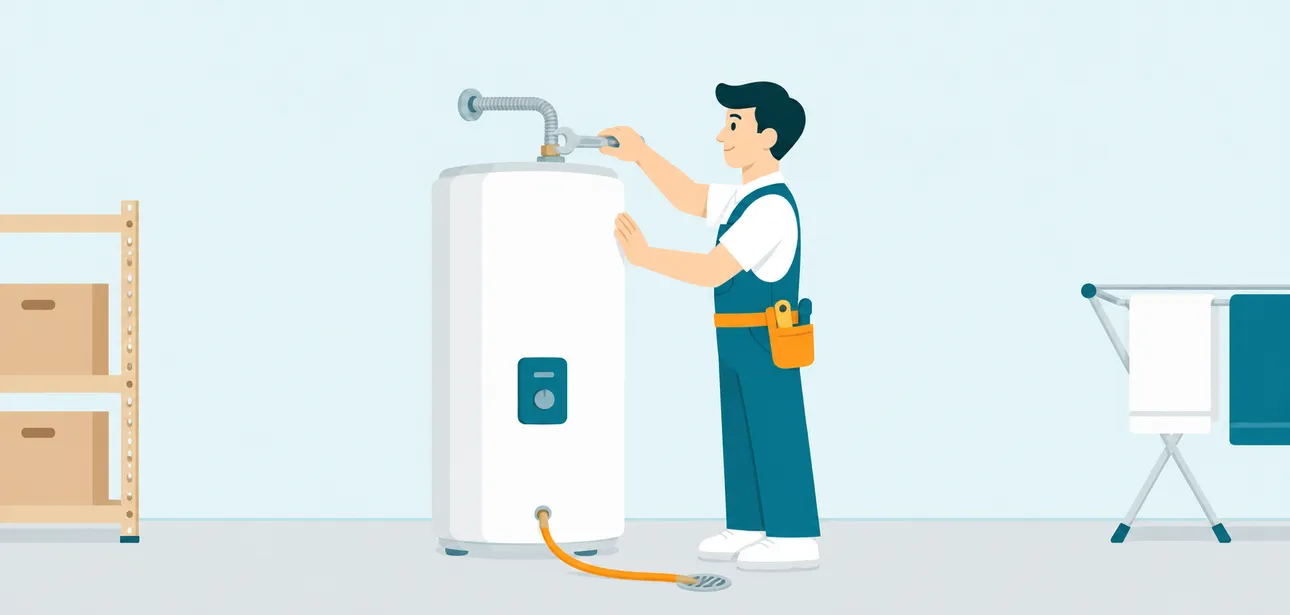
No hot water throughout your home, water that swings between hot and cold, hot water that runs out quickly, or a leak near your water heater? Your technician can first check the equipment and the actual problem, then assess maintenance, repair or replacement. The service covers residential gas, electric, tank, tankless and heat pump water heating equipment, and your technician can also assess the directly related supporting work needed to add, relocate or convert a water heater.
- Service area
- Vancouver, Burnaby and Richmond
Common issues
No hot water or unstable temperature
Your technician first works out whether a single faucet/shower or the whole home is affected, then checks the water heating equipment, controls and energy supply; the whole unit doesn't necessarily need replacing.
Not enough hot water or waiting too long for it
Your technician looks at how much hot water is used at the same time, the equipment's capacity and the recirculation setup, and assesses whether a repair or a system adjustment is suitable.
Water beside the heater or a dripping connection
Water marks may come from the tank, valves, connections or condensate; your technician finds the source of the leak first, then decides the scope of the repair.
Same-location replacement or switching to another system
A new unit still needs to be checked for space, moving it in, energy supply, venting and drainage; switching to tankless or a heat pump may need additional supporting work.
Maintenance or heat pump equipment issues
Your technician confirms by model what flushing, filter cleaning, descaling, anode rod or heat pump servicing is needed; the same maintenance schedule can't be applied to all equipment.
What the pro will do
- 1
Your technician collects what can be safely captured — the rating plate, an overall view, error messages, symptoms, the number of units and existing records — and learns about your water use, access, shared equipment and moving constraints.
- 2
They check the leak source, energy supply, equipment compatibility and installation conditions, explain the repair/replacement options, the work, costs, supply of equipment and materials, permits and shutoff arrangements, and start work only after confirming with you.
- 3
A technician holding the relevant authorization handles the water piping, gas, electrical or heat pump work within the agreed scope. For any additional work within the service scope, the details and cost are confirmed first; building work, the main space heating system or damage restoration must be arranged separately.
- 4
Based on the work done, they test for leaks, start up the equipment and check its functions, then go over hot water delivery, maintenance, equipment documents, the status of any required inspections and the arrangements for taking away the old unit.
Good to know
Only photograph what you can safely reach
Share the rating plate, the full error message and photos of the surroundings; don't remove covers, touch hot pipes, drain off hot water or go near hazardous spots to take photos.
Leave first if you smell gas or a CO alarm goes off
Don't operate electrical switches or light anything; leave immediately and, from a safe place, contact the gas emergency service or emergency services. Don't wait for a regular booking.
Don't reset or block safety devices yourself
Stop operating the unit if it has been flooded, is smoking or burnt, or its protective devices keep tripping, and have it checked by the appropriate professional; don't block the relief valve discharge or bypass any protection.
Check the supporting setup before buying a unit
Share the new product's details so your technician can check its capacity, size, connections and energy supply; the same location doesn't mean any new unit can be a direct swap.
Follow the model for maintenance and scald protection
Flushing, descaling and filter intervals depend on the actual product and water quality; the tank's storage temperature is not the same as scald protection at faucets/showers, so don't apply a single setting yourself.
Local tips
Your water source doesn't replace an equipment check
Metro Vancouver's regional water supply has corrosion control measures, while White Rock has its own separate water source; your location alone can't show that a water heater failed because of scale or corrosion, and maintenance still follows the actual unit and model.
In Vancouver, check energy requirements by project and date
As of October 22, 2026, the City has set requirements for some residential replacements starting in 2027, and related amendments are still in progress; new construction and major renovations have separate rules. Before choosing a unit, confirm against the rules in effect for your home, the project and the time of the work.
Confirm the old unit and how it'll be transported before disposal
Some municipal programs accept hot water tanks, but conditions differ for residents dropping them off, contractor drop-offs, heat pumps and equipment suspected of containing asbestos; don't assume every old unit can go through regular recycling or be taken away for free.
Apply for rebates based on actual eligibility
Energy upgrade rebates may be limited by conditions such as the home, income, equipment, contractor and invoice date; confirm the applicable eligibility and documents first. Replacing a unit doesn't guarantee a rebate.
This service covers residential domestic hot water equipment and its directly related supporting work; for indirect heating or combination systems, only the defined domestic hot water side is handled. Standalone rooftop collectors, closed space heating/heat transfer fluid loops, major central heat source work, non-exempt boiler/pressure vessel specialty work, building alteration and restoration, asbestos/mould/water damage remediation, and utility work outside the authorization granted must be arranged separately. Heat pump refrigerant work is handled according to its applicable requirements. Completion testing reflects the work checked at that time and doesn't guarantee that a tankless unit delivers unlimited flow at every level of use, that hot water reaches every faucet instantly, or that all hidden/intermittent problems have been resolved.
Post this job in the app
Describe the job, add photos and get quotes from pros nearby. Posting is free for clients, and you don’t have to hire anyone.